20-Ton vs 30-Ton Excavator: $25,000 or $40,000?
Two Komatsu machines, both in stock, with a $15,000 gap. This 20-ton vs 30-ton excavator comparison starts with the PC200-8: a 2014 unit with 6,000 hours at $25,000. The PC350-7 is a 2018 unit with 8,000 hours at $40,000. The larger machine is newer but has more hours. The price gap is not just about size.
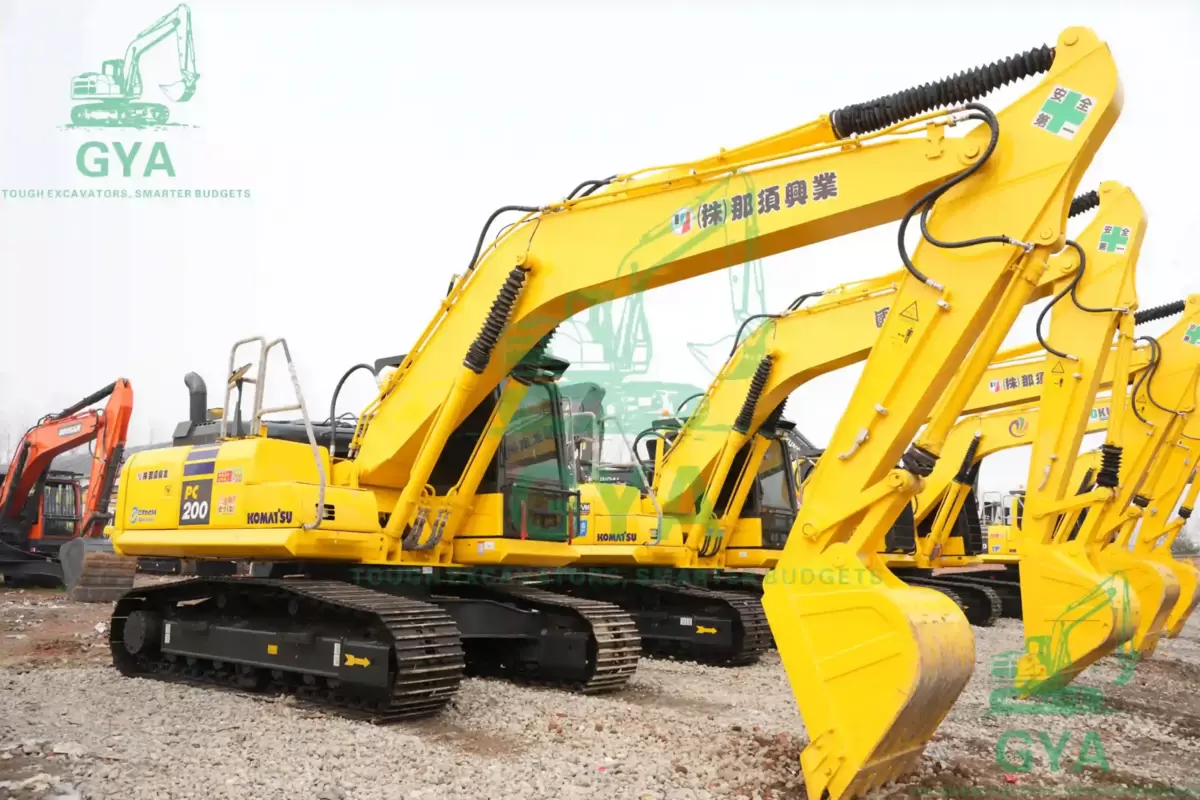
20-ton vs 30-ton excavator: the two listings
| Field | PC200-8 | PC350-7 |
|---|---|---|
| Year | 2014 | 2018 |
| Hours | 6,000 h | 8,000 h |
| Class | 20-ton | 35-ton |
| FOB | $25,000 | $40,000 |
What the 30-ton class buys
More reach, bucket capacity and lifting ability. A 35-ton machine can load larger trucks, dig heavier ground and finish bulk earthworks faster. That is what a used 30-ton excavator buys you over the 20-ton: output per hour. If the site and the haul fleet can use the output, the extra $15,000 can pay back in production.
It also costs more to move. A 30-ton unit is not a container machine; expect a flat rack, RoRo or breakbulk quote. The transport difference can be several thousand dollars.
Where the 20-ton wins
A used 20-ton excavator like the PC200-8 is easier to transport, easier to place on a tight site and cheaper to run. It is the standard utility and general-construction size, with broad parts support. For trenching, road work and site preparation, it can do the job without the 30-ton penalty.
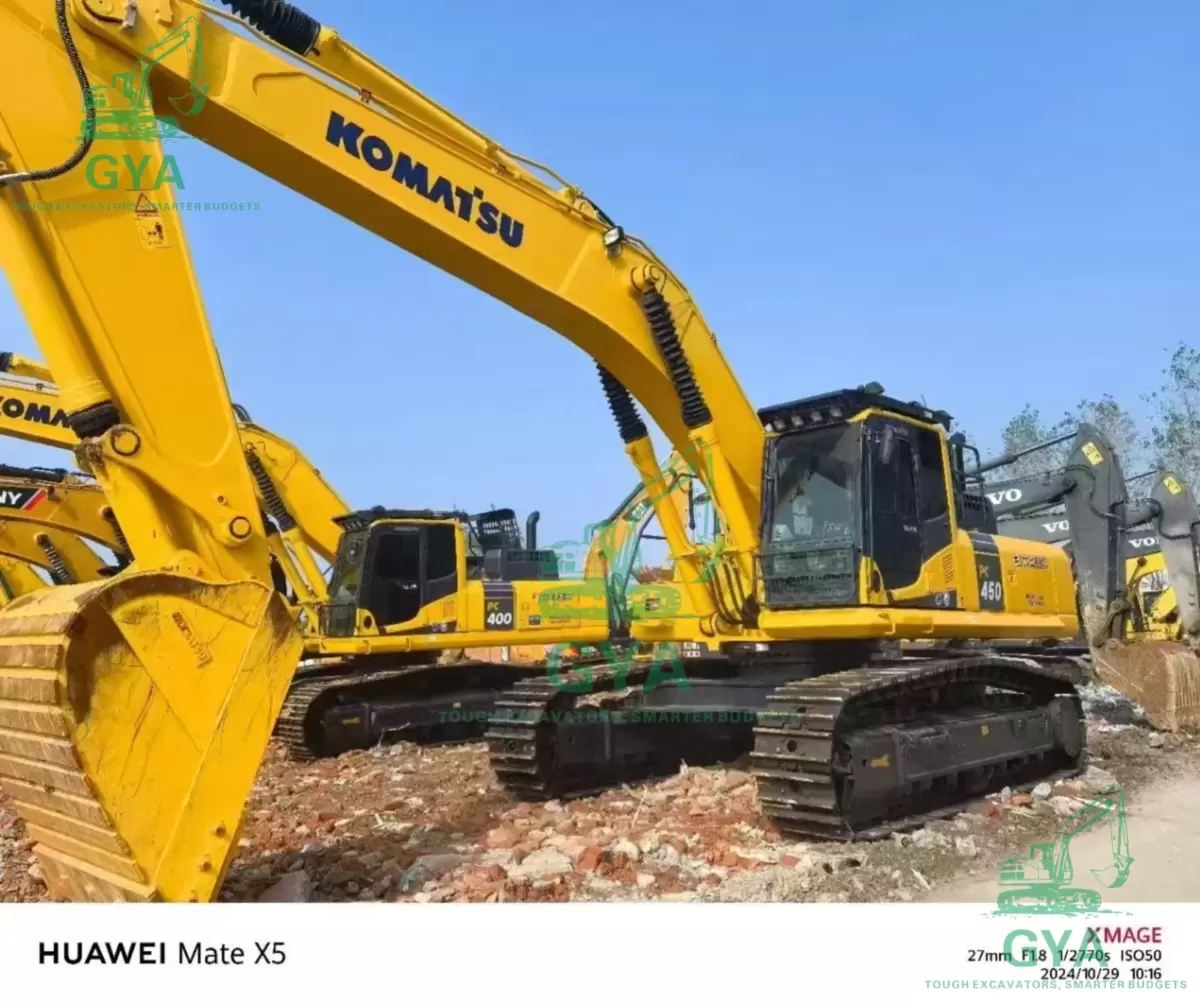
The decision framework
The excavator size comparison comes down to four questions.
- If the work is utility, trenching or small sites, the 20-ton is usually enough.
- If the work is bulk earthworks, quarry support or large loading, the 30-ton can earn more.
- If transport is difficult or expensive, the 20-ton is easier to justify.
- If the machine will run daily at high production, the 30-ton may be the better long-term tool.
Inspection and budget
Both need the same checks: undercarriage, hydraulics, structure, engine, hour meter and records. Add freight, duty, clearing, inland transport and a repair reserve to each. The $15,000 gap can widen or shrink after the landed cost and the repairs.
Shipping the 20-ton and the 35-ton: the real split
A 20-ton excavator often fits a standard container once the boom and arm are stripped, but only if the stripped height, width and weight allow it. Check the PC200-8 against the container's internal dimensions before booking. The PC350-7 is a different exercise: plan on a flat rack, RoRo or breakbulk, and confirm the lifting points, centre of gravity and gross weight on the spec sheet.
Ask for four numbers in writing: shipping dimensions, gross weight, number of pieces and the heaviest single piece. Then ask the forwarder three questions: can the receiving port lift that piece, what does terminal handling add, and what road permits or lowbed capacity does the inland leg need? A low ocean rate is irrelevant if the destination cannot discharge or move the machine.
Ownership cost over a working year
The purchase price is the entry ticket, not the cost of ownership. The 35-ton machine burns more fuel per hour, wears larger undercarriage parts and needs a heavier transporter every time it moves. The 20-ton machine is cheaper to mobilise, which matters when work is spread across small sites rather than one long project.
Build a simple annual budget for each unit: fuel, operator, filters and oils, undercarriage allowance, repair reserve, mobilisation and insurance. Use the seller's fuel logs if they exist and your own cycle times if they do not. If the 35-ton cannot be kept busy, its cost per hour climbs even when its production per hour is higher.
Buyer-fit test before the deposit
| Question | 20-ton | 35-ton |
|---|---|---|
| Site access | Tight urban plots | Wide quarry benches |
| Haul fleet | Small trucks | Large trucks |
| Work pattern | Short jobs, frequent moves | Long runs, few moves |
| Support | Easy local parts | You stock parts |
Tight access or an expensive lowbed can erase the output gain before the machine even starts digging. If two or more answers sit in the right-hand column, price the 35-ton properly, including freight. If most sit on the left, the extra tonnage is dead weight.
Inspection points that differ by class
On the PC200-8, check whether it spent its life as a rental or utility machine: high idle hours, multiple operators and a hard life on the undercarriage are common. Measure track and idler wear, test the swing brake and listen for hydraulic whine when the oil is cold. On the PC350-7, structural checks matter more. Look at boom and arm welds, the turret mounting area and the counterweight for repairs, then confirm the hydraulic pump and travel motors behave under load. Ask for the hour-meter history and any major component replacement; a replaced pump or undercarriage changes the value of the $40,000 ask.
Questions buyers ask
Is a 30-ton machine harder to ship?
Yes, usually. It needs a heavy-machine plan, not a standard container.
Which holds value better?
It depends on your market. The 20-ton class is usually easier to resell.
Can you quote both?
Yes. Send the destination port and we will quote both units, with the loading method and freight.
Choose the class from the work, not the price.
Tell us the job and the site access. We will confirm availability and the current FOB price for the right class.