13-Ton vs 20-Ton Excavator: Both $15,000
The CAT 313D2GC is a 2016 13-ton machine with 8,000 hours and Grade B at $15,000. The CAT 320D is a 2013 20-ton machine with 10,690 hours, Grade B, at $15,000. Same brand, same price, different class. The larger machine is not automatically the better buy.
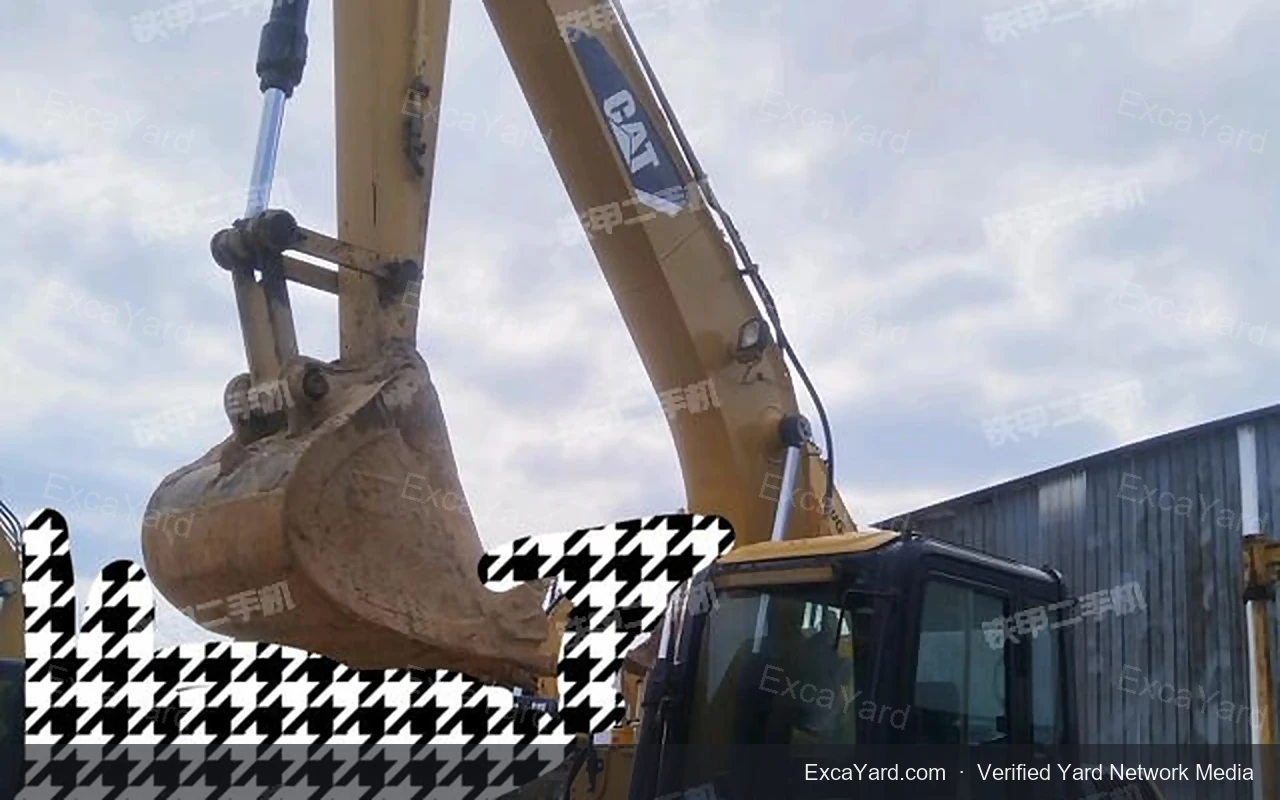
The two listings
| Field | 313D2GC | 320D |
|---|---|---|
| Year | 2016 | 2013 |
| Hours | 8,000 h | 10,690 h |
| Class | 13-ton | 20-ton |
| FOB | $15,000 | $15,000 |
Match the machine to the work plan
An excavator size comparison should start with a week of the actual job, not the price list. Write down the tasks the machine will do most often, the depth and reach they need, the trucks it will load, and the places it must enter. The class usually becomes obvious once the work is written down.
A 13-ton machine can handle most of a utility contractor's work, but one deep trench or one heavy lift can force a hire or a second machine. A 20-ton machine can handle the heavy work, but it cannot follow a job into a yard or a narrow street. The exception is often the task that decides the class.
Utilization matters as much as capability. A larger machine that sits idle between jobs costs money; a smaller machine that is always working may earn more.
What the 13-ton wins
It is newer, has fewer hours and is cheaper to transport. For utility work, road maintenance, drainage and tight sites, the smaller machine can be more practical. It also burns less fuel and is easier to move between jobs.
If the work is spread across multiple sites, the transport saving can outweigh the capacity difference.
What the 20-ton wins
More reach, more lifting capacity and higher production. For general construction, bulk digging and heavier trenching, the 320D is the more capable machine. It is also the more common size, which can help with resale.
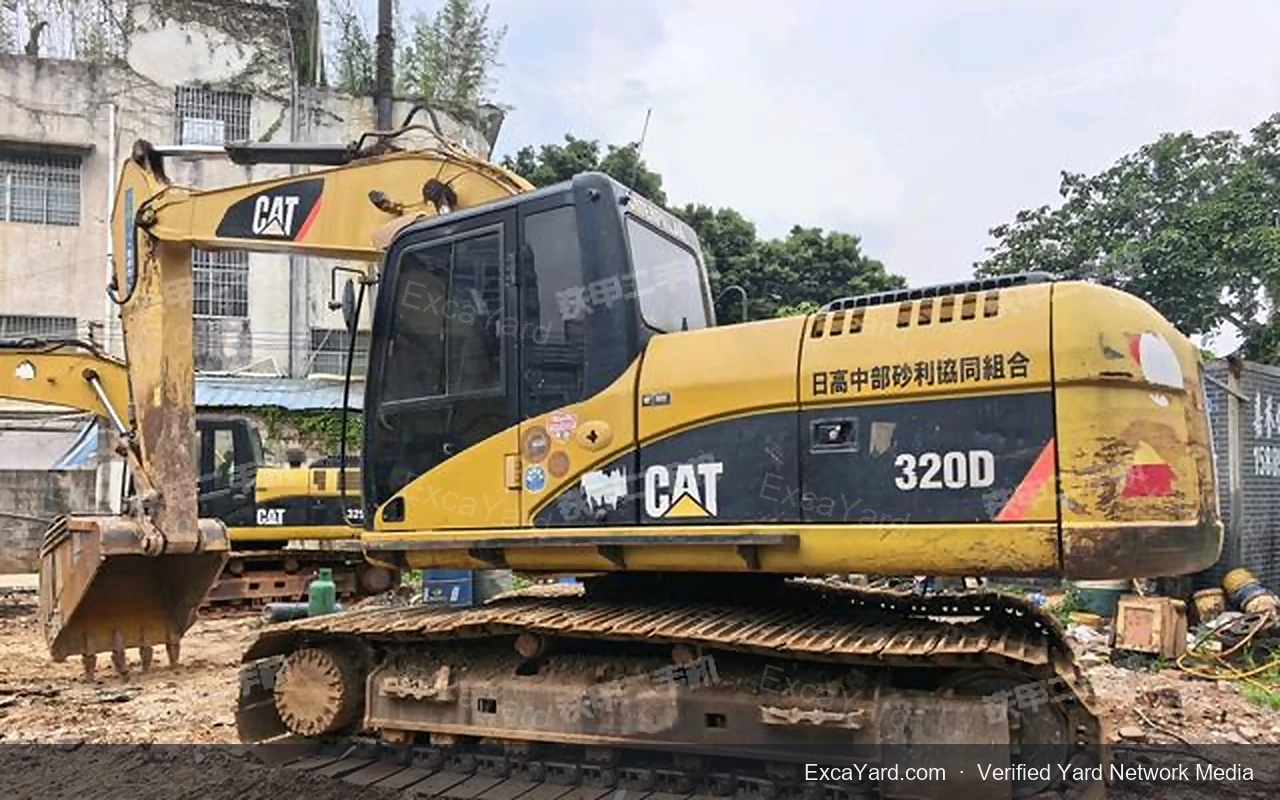
Count the moves before you count the savings
Transport is not a single rate; it is a count of events. How often will the machine move? Does it need a low-bed, a permit or a route survey? Can it travel with the bucket attached? A smaller machine often answers these questions more cheaply, but the advantage fades if the unit stays on one site for months.
Measure the gate, the ramp, the overhead clearance and the ground it will cross. If a 20-ton cannot reach the work, its capacity has no value. If a 13-ton must be replaced by a larger machine for the main dig, the transport saving is offset by a second purchase or hire.
The real 13-ton vs 20-ton excavator trade-off
Both are $15,000, and the CAT 313D2GC price matches the CAT 320D price exactly, but the 320D has 2,690 more hours and is three years older. If the undercarriage is worn, the 320D may need more immediate work. The 313D2GC may be the lower-risk machine even though it is smaller.
Running cost is not the same as purchase cost
Fuel, undercarriage, teeth, filters, service labour and downtime make up the running cost. A smaller machine usually burns less per hour, but it may need more hours to move the same volume. Billing by the hour favours the 13-ton; billing by volume often favours the 20-ton.
Both units are CAT and both are Grade B, so the badge does not settle it. The condition of the specific machine and the parts path in your market matter more. A machine waiting for a part costs more than its sticker suggests.
What to inspect on each class
On the 13-ton, check the swing bearing, the blade or dozer, the offset boom if fitted, and the side structure for damage from tight work. On the 20-ton, the undercarriage, boom and arm welds, travel motors and hydraulic response carry more of the risk.
On both, tie the meter to the serial plate, watch a cold start, and run every function. If both inspections come back clean, choose by utilization and moves: the cheaper machine to relocate wins on scattered work, the larger one wins on volume.
Which one fits?
Choose the 313D2GC if the work is utility, transport-sensitive or tight-access, and you do not need 20-ton production. Choose the 320D if the work needs reach and capacity, and the inspection is clean.
If you already have a 20-ton machine, the 13-ton can be a useful second unit. If it is your only machine, the 20-ton is more versatile.
Questions buyers ask
Is the 13-ton cheaper to ship?
Usually, but it depends on dimensions and loading method. Ask for a quote.
Which resells better?
The 20-ton class is usually easier to resell, but local demand matters.
Can you quote both?
Yes. Send the destination port.
Choose the class from the job.
Tell us the work and the site access. We will confirm availability and the current FOB price.