Komatsu PC450LC-8 vs PC400-8: $60,000 or $67,000?
The PC450LC-8 is a 2018 machine with 8,500 hours at $60,000 FOB. The PC400-8 is a 2020 machine with 3,600 hours at $67,000 FOB. The smaller machine is newer, lower-hour and $7,000 more. For a quarry or large contractor, this Komatsu PC450LC-8 vs PC400-8 choice is about production and remaining life.
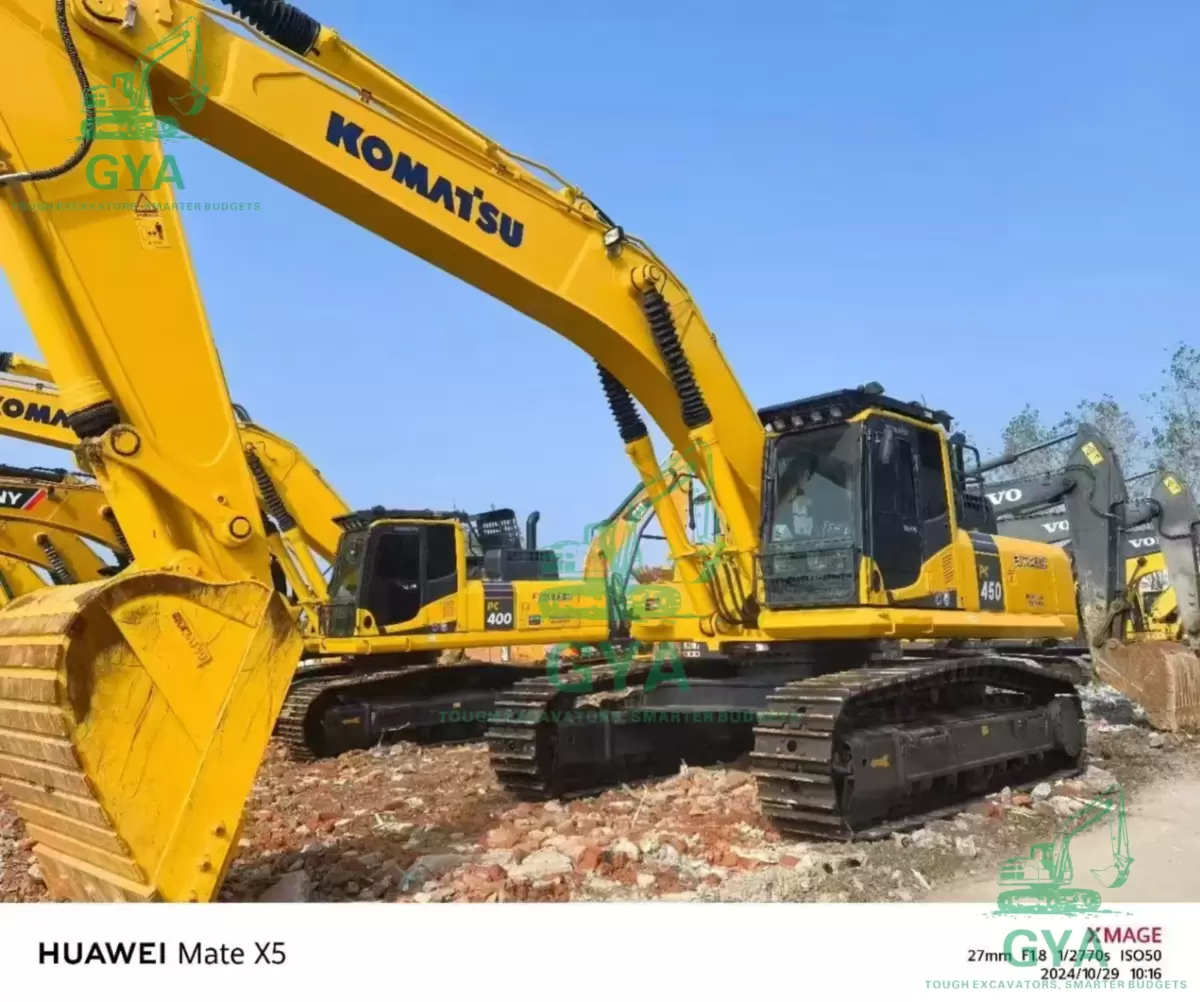
Komatsu PC450LC-8 vs PC400-8: the two listings
| Field | PC450LC-8 | PC400-8 |
|---|---|---|
| Year | 2018 | 2020 |
| Hours | 8,500 h | 3,600 h |
| Class | 45-ton | 40-ton |
| FOB | $60,000 | $67,000 |
Why the larger unit is cheaper
It has more hours and an older year. The 45-ton class also has a narrower buyer pool and heavier transport. Those factors can keep the price below a newer 40-ton unit even though the machine is larger.
What the PC450 buys
More reach, bucket capacity and lifting ability. If the quarry or site can use the extra output, the larger machine can earn more per hour. The lower PC450LC-8 price also leaves budget for undercarriage work if the inspection finds it.
What the PC400 buys
Lower hours and a newer year. If the wear supports the 3,600-hour reading, the 40-ton machine should have a longer remaining life and lower immediate repair risk. The PC400-8 price is $7,000 above the 45-ton, so the lower hours and the newer year have to justify it. The 40-ton machine is also easier to transport than the 45-ton.
Cost of ownership across 40 and 45 tons
Running costs move in different directions at this class, and only one of them favours the larger machine.
| Item | Effect at 45 tons | What to request |
|---|---|---|
| Undercarriage | More links and rollers, so a larger replacement bill | Link height, bushing wear and roller diameter on both |
| Fuel | Higher draw at the same duty cycle | The last fuel log, if the seller kept one |
| Bucket and teeth | Bigger bucket, more teeth per change | The bucket size actually fitted to each unit |
| Hydraulics | Bigger pump and cylinders, so a larger rebuild bill when worn | Pump pressure test, cylinder drift, hose condition |
| Output | More tonnes per hour if the trucks keep up | Trucks per machine and cycle time on your haul road |
Inspection focus
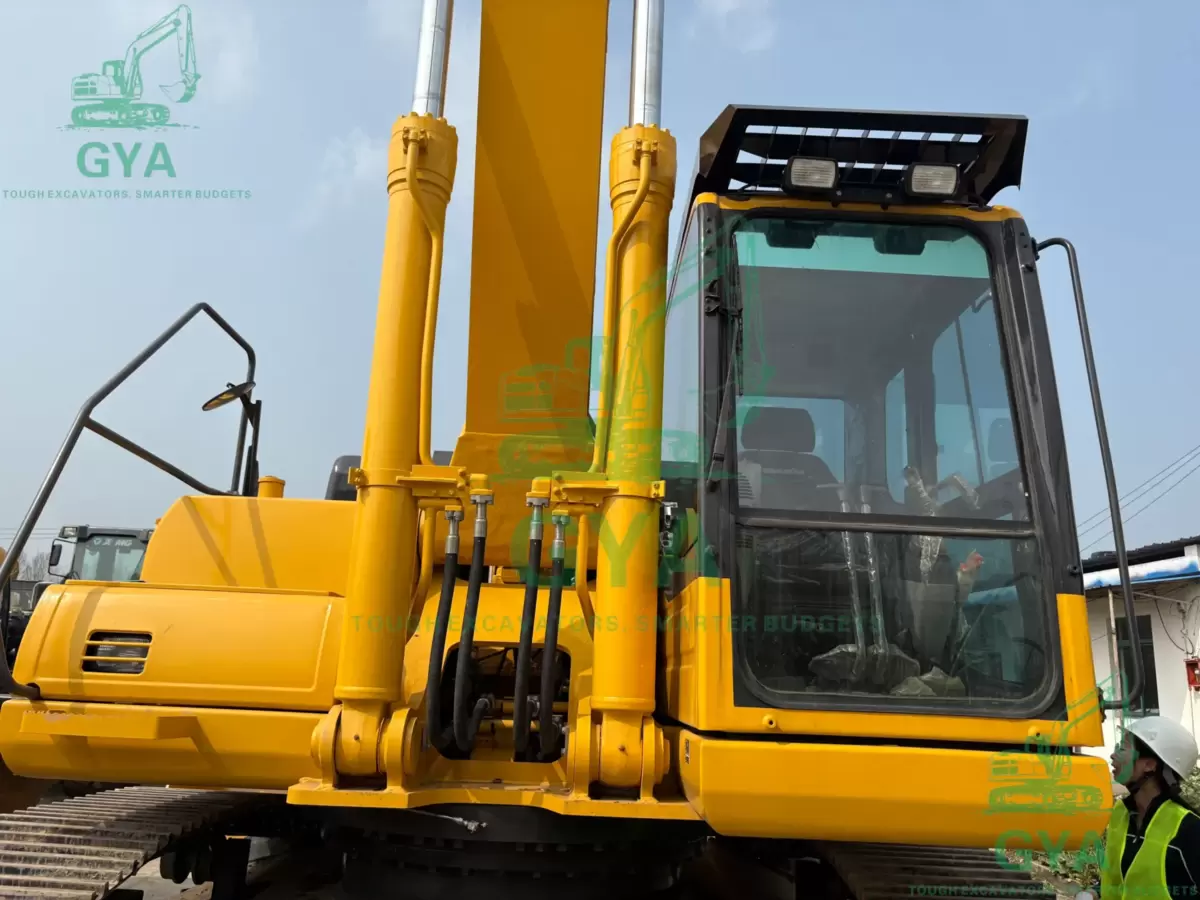
- Undercarriage on both; the 8,500-hour unit is the priority.
- Hydraulic pump, cylinders and swing.
- Boom, arm and turret welds.
- Cold start from stone cold, and what the exhaust does under load.
- Hour readings cross-checked against the service book.
Transport and site fit
Both units need a heavy-machine plan. The 45-ton unit is heavier and may cost more to move, which can reduce its price advantage. A 40-ton excavator is also easier to move into a site with a tight access road. Check the haul road, the truck match and the port handling before you compare the landed cost.
The truck match decides the 45-ton case
Extra bucket capacity only becomes money if something can take it away. If the same number of trucks arrive as before, a larger bucket simply gives the machine more time to wait. Count the trucks assigned to the face and time a full cycle on your own haul road, including the queue at the crusher. Where the 40-ton already keeps the fleet moving, the extra capacity of the 45-ton is idle capital and $60,000 stops looking like a bargain.
Where the machine is the bottleneck and the road absorbs more loads, the larger unit converts hours into tonnage. The same test applies to attachments: confirm the hammer or shear it will run, and whether the hydraulic flow and mounting suit it, before counting on that revenue.
Which one fits?
Choose the PC450LC-8 if you need the extra capacity and the inspection shows the undercarriage and hydraulics have life left. Choose the PC400-8 if you want lower hours, a newer year and easier transport, and the price fits.
Cross-checking the 3,600-hour claim
A low hour reading is a claim until the wear agrees with it. Compare the two machines on the parts that cannot be reset: lever and pedal play, boom pin and bush clearance, undercarriage measurements. A 2020 unit with 3,600 hours should sit closer to new than the 2018 unit. If the undercarriage and pins look like the higher-hour machine, the reading needs an explanation before it earns a $7,000 premium.
Ask for dated service records and the last oil sample, if any. Records that stop partway prove nothing; they are a gap to ask about. Consistent wear is worth more than a low number on its own.
Pricing the $7,000 gap
The two listings differ by 4,900 hours and two years. What the gap is worth depends on your annual hours. At high annual hours the 45-ton, already at 8,500, reaches end of life first, so the 40-ton's premium buys years you will use. At low annual hours both may outlast your plans, and the extra 4,900 hours stop mattering. Note your expected annual hours; the same listings favour different buyers at different utilisation.
Questions buyers ask
Are both available?
They are listed as in stock in China. Confirm availability before you commit.
Why is the 45-ton cheaper?
Older year, more hours, narrower demand and heavier transport can all explain it.
Can you quote CIF?
Yes. Send the destination port and we will quote both units.
Compare the remaining life, not the class alone.
Request the start-up video and undercarriage measurements for both machines.
Open the PC450LC-8 listing · Open the PC400-8 listing · Request an inspection