Komatsu PC300-7 vs PC350-7: $44,000 or $40,000?
A 2008 PC300-7 with 7,000 hours is listed at $44,000 FOB. A 2018 PC350-7 with 8,000 hours is priced at $40,000 FOB. The newer and larger machine is cheaper. That is the kind of price inversion that makes a used-equipment buyer stop and look twice.
It can be a genuine opportunity, or it can be a signal that the cheaper machine carries a cost the listing does not show. This guide compares the two listings and the checks that decide the better buy.
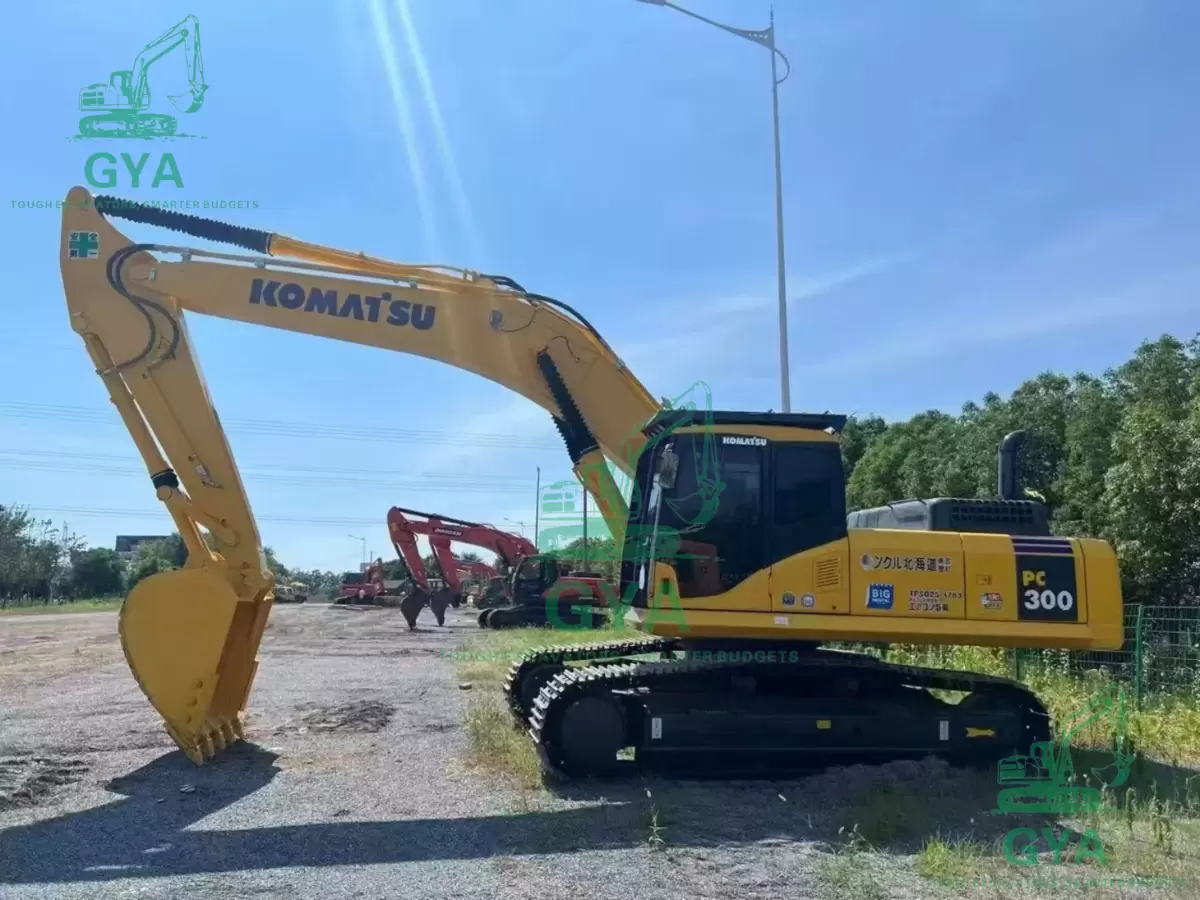
The two listings
| Field | PC300-7 | PC350-7 |
|---|---|---|
| Year | 2008 | 2018 |
| Hours meter | 7,000 h | 8,000 h |
| FOB price | $44,000 | $40,000 |
| Class | 30-ton class | 35-ton class |
| Condition grade | Not stated | Not stated |
Why the PC300-7 can cost more
The used Komatsu PC300-7 price can sit above a newer PC350-7 because the model is well known; in some markets that familiarity supports the price even on an older unit. The PC350-7 is larger, and a larger machine can have a smaller buyer pool. Transport is also heavier, and some buyers avoid the extra weight.
Condition can explain the rest. The 2008 unit may have a fresh undercarriage or a recent hydraulic repair; the 2018 unit may have original components that are closer to replacement. The listing does not tell you. The inspection does.
Where the PC350-7 wins
The PC350-7 gives you a newer year and more size for less money on the sticker. If the machine is clean, that is a lot of production capacity for the price. It can suit quarry support, heavy earthworks and larger site preparation.
The 8,000-hour reading is higher than the PC300-7's 7,000, but the year is ten years newer. Hours alone do not settle it; the wear and the maintenance history do.
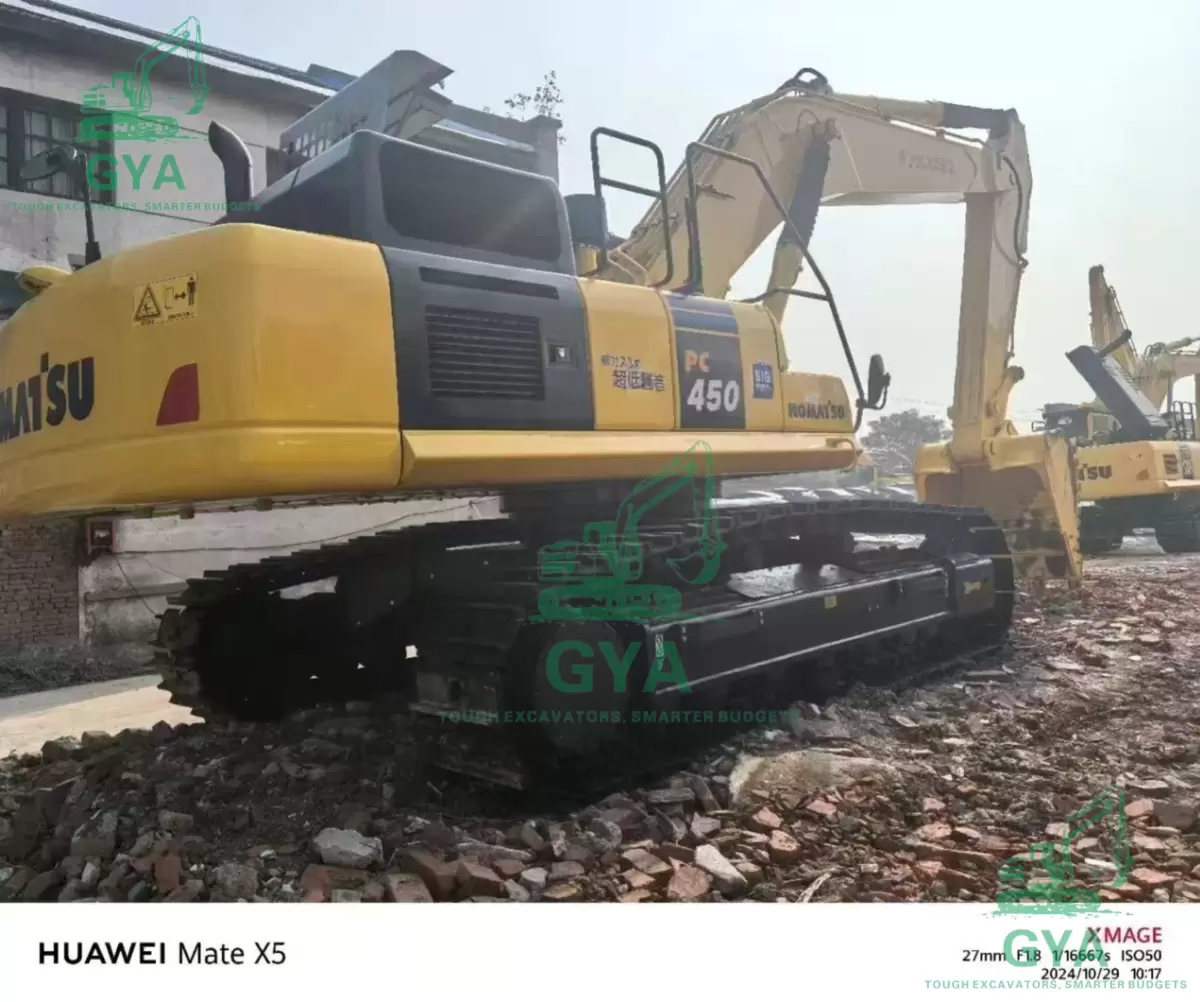
The checks that matter on a 30-ton excavator
- Undercarriage: the largest wear cost. Ask for shoe height, link height, roller diameter and sprocket photos.
- Hydraulics: pump response, drift, unusual noise and a full cycle under load.
- Structure: boom, arm, turret and counterweight; check for cracks, welds and fresh paint.
- Engine: cold start, smoke, blow-by and temperature.
- Hour meter and records: compare the reading with wear and any service paperwork.
Inspecting the structure, not the paint
At this size the expensive failures are structural and hydraulic, and both hide easily under fresh paint. Ask for photos taken before paint was applied, and ask when it was applied.
Name the places: boom foot, boom-to-arm joint, arm-to-bucket linkage, and the counterweight mounting bolts. That is where cracks and repairs show on a machine that has worked hard. A wide shot of a clean boom proves nothing.
A machine idling in a yard passes almost any casual hydraulic test. Ask for a working cycle under load — boom up, arm in, bucket curl, swing, travel. Ask whether the main pump was opened, replaced or resealed, and for the invoice if it was.
Two components that decide the bill
The swing bearing and final drives turn a $40,000 machine into a far more expensive one, and neither shows in a listing photo.
- Swing bearing: play at the turret, noise on swing start and stop, grease past the seal.
- Final drives: oil condition, any recent reseal, noise under travel load.
- Pins and bushings: play at bucket and arm joints, with a measurement rather than a description.
None of this needs a workshop, only a seller willing to answer with evidence.
Transport is part of the comparison
The PC350-7 is heavier, and the loading plan may differ from the PC300-7. Ask for dimensions, weight and the route for each. A $4,000 price advantage can be erased by a heavier lift or a different trailer.
If the machines are in different yards, the inland transport to the port also changes. Get the full quote for each, not a generic rate.
Komatsu PC300-7 vs PC350-7: which one fits your work?
Choose the PC300-7 if you want the familiar 30-ton machine and the inspection shows a strong undercarriage and hydraulics. Choose the PC350-7 if you need the extra size and the newer year, and the transport and condition work for you.
If both are clean, the PC350-7 is the more attractive buy on paper. If the PC350-7 has a hidden repair, the older PC300-7 can still be the better machine. The price inversion is a reason to inspect, not a reason to assume.
Decision rule for the $4,000 gap
Price a full undercarriage set and a pump repair for each model in your market first. If either figure is larger than the price difference, the sticker gap stops being the decision and the inspection becomes it.
Buy the PC350-7 when it is clean, transport works for you and you need the size. Buy the PC300-7 when it has documented recent undercarriage or hydraulic work and the PC350-7 does not. Walk from both if neither seller supplies a cold start, a loaded cycle and measurement photos.
The inversion is a signal. The evidence is the decision.
Questions buyers ask
Are both units available?
They are listed as in stock in China. Confirm availability before you commit.
Why does the Komatsu PC300-7 vs PC350-7 price gap exist?
The listing does not say. Demand, transport and condition can all explain it. Inspect both.
Can you quote CIF?
Yes. Send your destination port and we will quote loading and freight for each machine.
Do not pay for the year alone.
Request the cold-start video, undercarriage measurements and hydraulic cycle for both 30-ton units. We will confirm availability and the current FOB price on WhatsApp.
Open the PC300-7 listing · Open the PC350-7 listing · Request an inspection