Used Komatsu PC240-8 at $24,000: The 24-Ton Value
This used Komatsu PC240-8 sits between the 20-ton class and the 30-ton class. It is a 2015 machine with 6,800 hours, listed at $24,000 FOB. That is close to what buyers pay for a PC200-8, which makes it worth a serious look if the work needs more reach and lifting capacity without stepping up to a PC300.
The extra size is not free. It changes transport, fuel burn and where the machine is practical. This guide explains where the 24-ton class earns its keep, and what to check here.
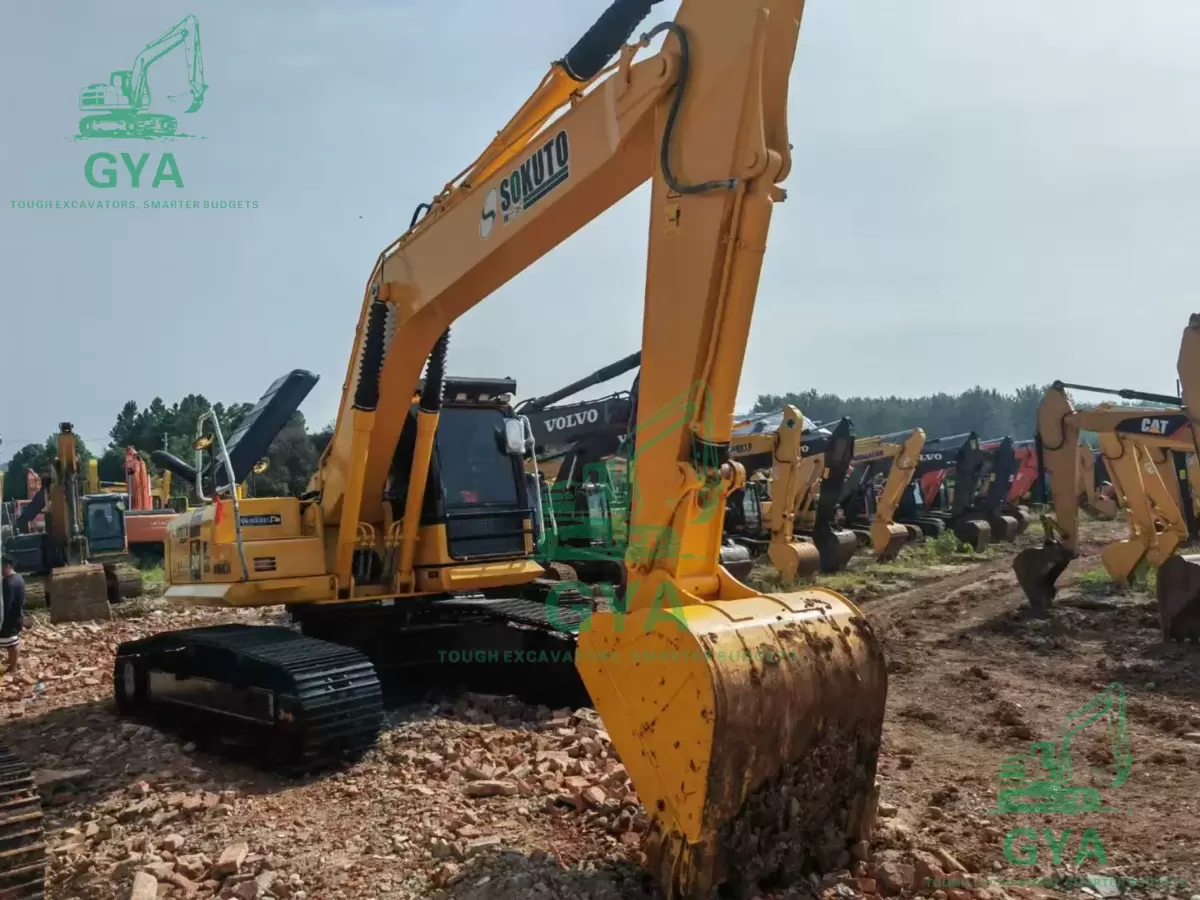
The listing
| Field | PC240-8 |
|---|---|
| Year | 2015 |
| Hours meter | 6,800 h |
| Class | 24-ton class |
| FOB price | $24,000 |
| Condition grade | Not stated in the listing |
| Location | China |
Where the used Komatsu PC240-8 fits
A 20-ton machine is the standard utility and general-construction size. A 30-ton machine is a production tool. The 24-ton class sits in between: more reach and lifting capacity than a 20-ton, but easier to move and place than a 30-ton.
That makes it useful for heavier trenching, road work, site preparation and jobs where the 20-ton machine runs out of reach or stability. A 24-ton excavator is neither a mining machine nor a compact solution; the fit depends on the work and the access.
What the extra four tons change
The step from 20 to 24 tons is not the same job with a bigger bucket. More counterweight lets the machine hold a loaded bucket at reach with less rocking, and it can reach the top of a high-sided truck without a ramp. You pay for that in three places: a wider transport load, more fuel per hour, and more room to swing. Measure all three before the price convinces you.
Why the Komatsu PC240-8 price is close to a PC200
Price follows demand. The PC200 is the most recognised 20-ton Komatsu and holds value; the PC240 is less common, and a smaller buyer pool can keep its price close to the smaller machine. That can be an opportunity or a warning: a larger machine priced like a smaller one may have condition issues or a transport penalty, so inspect it and price the freight.
Three questions that settle the fit
Write down the heaviest lift, the deepest trench and the narrowest gate. If a 20-ton machine clears all three with margin, the extra size buys nothing. If one of them fails, the 24-ton class is doing real work and $24,000 reads differently. Buyers who skip this step pay for capacity they cannot use, then pay again in freight.
What to inspect
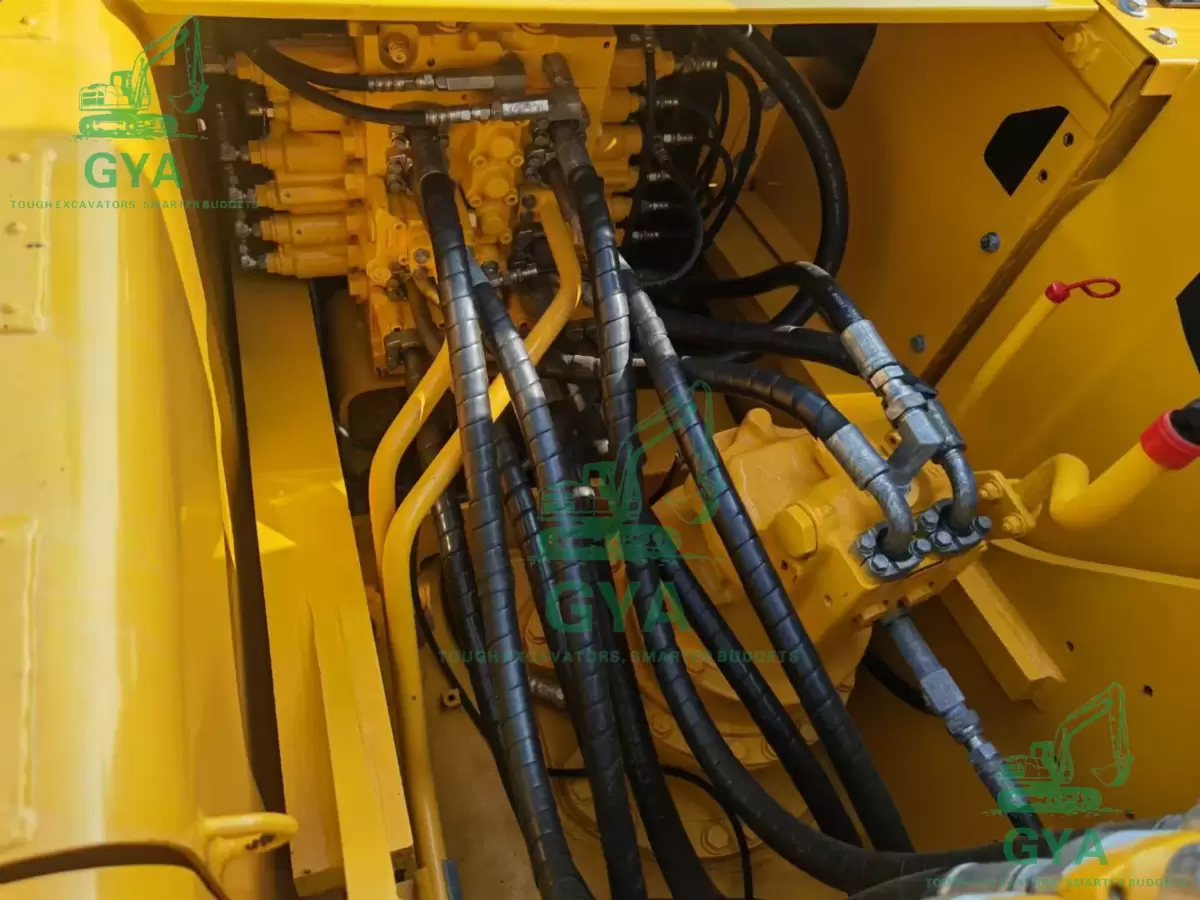
The checklist is the same as any 20–30 ton machine, with attention to the parts that carry the extra weight:
- Undercarriage: shoes, links, rollers, sprockets and idlers. A 24-ton machine wears them faster than a 20-ton in abrasive ground.
- Hydraulics: boom, arm, bucket, travel and swing through a full cycle; look for drift and unusual noise.
- Structure: boom, arm, turret and counterweight; check for cracks or fresh paint over welds.
- Engine: cold start, smoke, blow-by and operating temperature.
- Hour meter and records: compare 6,800 hours with pedal, seat and undercarriage wear.
Where the extra weight shows up first
- Undercarriage: more load per shoe, so measure link height and bushing wear instead of judging the paint.
- Boom and arm: welds near the boom foot and the stick cylinder mount, checking for cracks or fresh paint.
- Hydraulic heat: oil temperature after a working cycle, and cooler condition with panels off.
- Swing brake and motor: drift on a slope, noise at start and stop.
- Counterweight mounts: loose or re-welded fixings point to a bad lift.
Transport and site access
A used Komatsu excavator this size is heavier than a PC200, so confirm the loading method and the inland route. A machine that is cheap at the port but cannot reach the site is not a bargain. Ask for dimensions and a transport plan before comparing landed cost.
On site, the extra size needs room to swing and track. Check the access road, the gate and the unloading area. If the machine will work in tight municipal jobs, a 20-ton may still be the better fit.
Who this unit fits
It fits a contractor who needs the reach and lift of a 24-ton machine but does not need a 30-ton production machine. It can also suit a dealer in a market where 24-ton machines are in demand.
It is not right for a small site, a budget with no repair reserve, or a buyer who cannot handle the transport. The price is attractive; the fit still has to be checked.
The one-line rule
Buy the 24-ton machine only when a named task on your site fails at 20 tons. Otherwise the smaller, easier-to-move machine is the better purchase, even at the same price.
Questions buyers ask
Is the PC240-8 available now?
It is listed as in stock in China. Confirm availability on WhatsApp before you commit.
Is 6,800 hours low for a 2015 machine?
It is moderate. Whether it is good depends on the wear and the records, not the number alone.
Can you quote CIF?
Yes. Send the destination port and we will quote the loading method and freight for this unit.
Check the size against the site, then check the machine.
Ask for the cold-start video, undercarriage photos and hydraulic cycle for the PC240-8. Message us and we will confirm availability, then send the FOB price on WhatsApp.
Open the PC240-8 listing · PC240-8 model page · Request an inspection