Komatsu PC300-7 Landed Cost in Durban, South Africa
The Komatsu PC300-7 landed cost in South Africa starts from a $44,000 FOB price. Duty on this HS line is 0% in the 2022 reference, but VAT is 15%, and a 30-ton machine is not a container-rate shipment. The freight and handling plan is a bigger part of the budget than on a 20-ton unit.
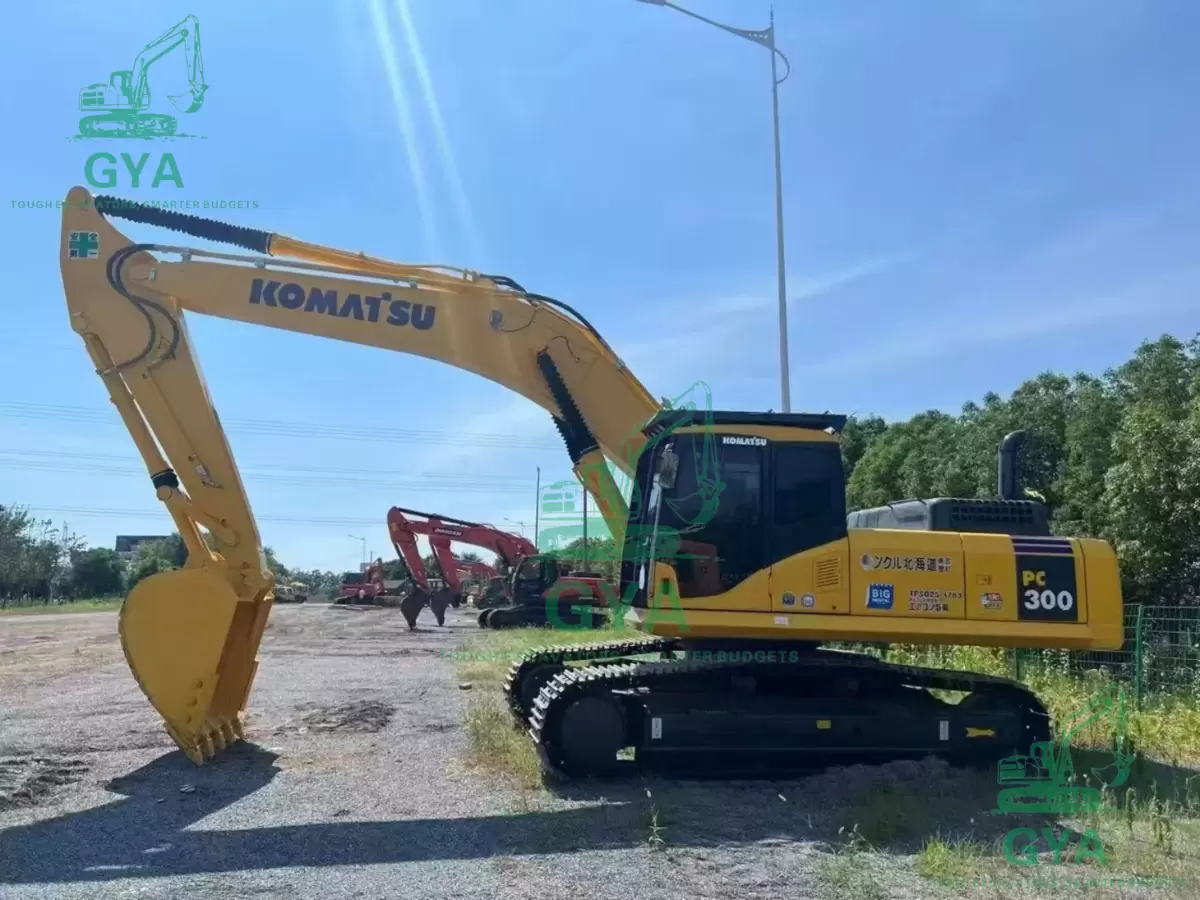
What the Komatsu PC300-7 landed cost includes
| Line | Basis |
|---|---|
| FOB | $44,000 |
| Freight and insurance | Quoted per unit and route; flat rack, RoRo or breakbulk |
| Import duty | 0% for HS 8429.52 in the 2022 MFN reference |
| VAT | 15% on the duty-inclusive value |
| Clearing and port | Quoted by your agent |
A worked example
Assume freight and insurance of $6,500 and clearing/port costs of $1,500. These are planning assumptions for a heavy unit, not a quote.
| Step | Amount |
|---|---|
| FOB | $44,000 |
| Freight and insurance | $6,500 |
| CIF | $50,500 |
| Duty 0% | $0 |
| VAT 15% on $50,500 | $7,575 |
| Clearing and port | $1,500 |
| Indicative landed | $59,575 |
The PC300-7 price of $44,000 FOB is only the starting point; the freight assumption here is intentionally higher than a 20-ton container reference. A 30-ton machine may need a flat rack, RoRo or breakbulk, and the rate must be quoted for the actual dimensions.
Why the loading method matters more here
A 20-ton machine can sometimes fit a container; a 30-ton machine usually cannot. That changes the preparation, the lifting and the port handling. Ask for the dimensions, the weight and the method before you compare freight quotes.
A cheap rate from a container broker is not a valid quote for a 30-ton unit. Make sure the forwarder is quoting the actual machine.
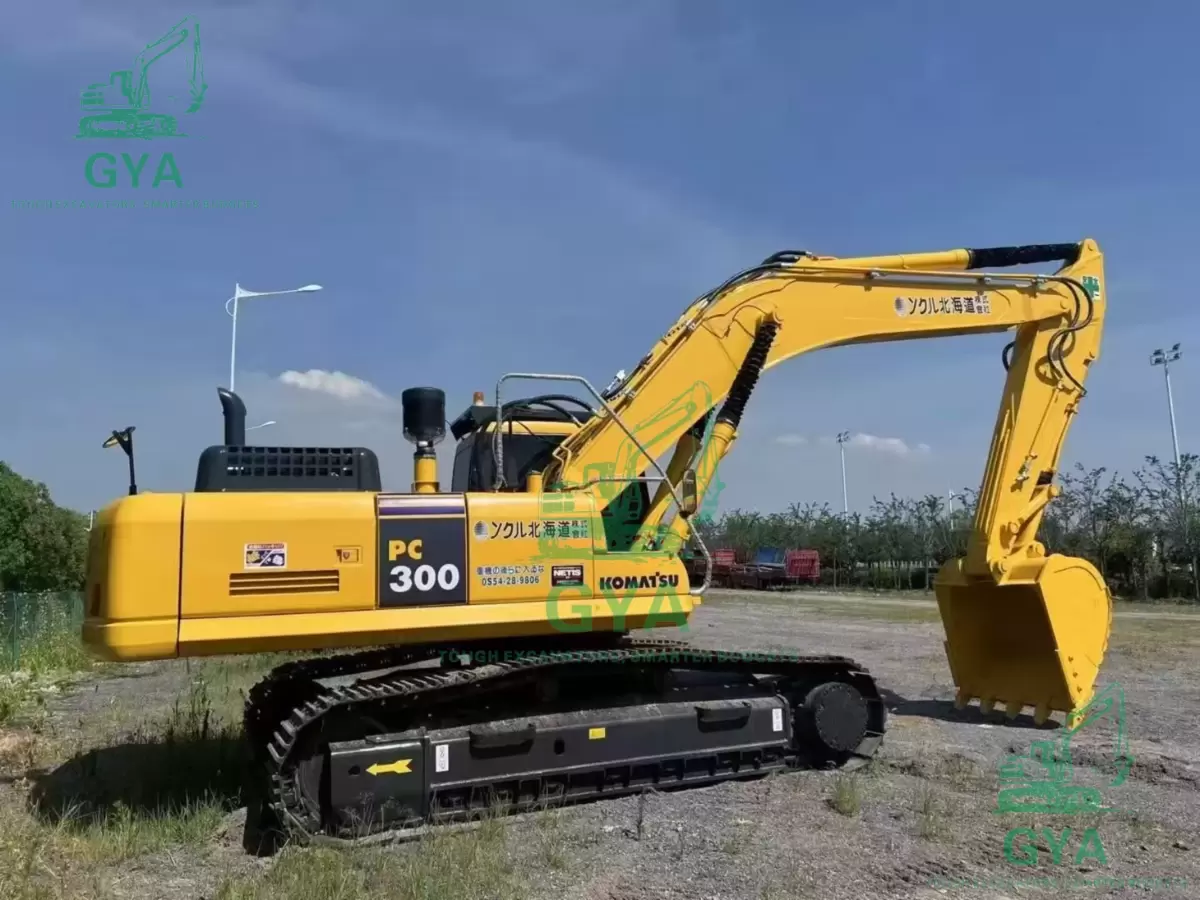
What to confirm before payment
- The HS code that applies, and the import duty on an excavator in South Africa.
- The VAT base and whether it is recoverable for your business.
- The heavy-machine loading method and port handling.
- The clearing agent's full fee schedule.
- Any South African import permit or conformity requirement.
What the forwarder needs before quoting
A heavy-machine rate is only valid for a described cargo. Send the forwarder the same data you would send an insurer, and insist the quote names the shipping method instead of saying only "freight".
| Item | Why it changes the rate |
|---|---|
| Transport length, width and height | Decides flat rack, RoRo or breakbulk |
| Operating weight | Sets lifting and lashing requirements |
| Track shoe width | Affects ramp and deck fit |
| Bucket removed or shipped on | Changes footprint and centre of gravity |
| Boom and arm position | Sets the shipping height |
| Lifting points and tie-down photos | Lets the port plan the lift |
If two quotes differ by a wide margin, the gap is usually the method or the terminal, not the ocean rate. Ask each forwarder to state the method in writing before you compare totals.
Durban: costs the ocean rate hides
A used excavator in Durban clears on the terminal's timetable, not on yours. The berth window sets your collection date, the terminal sets the free days, and the road leg sets the last cost. Book the lowbed before the vessel arrives, and ask whether the route needs an abnormal load permit or an escort, because that charge is quoted separately and is easy to forget.
Then ask how the unit will be received. A machine that arrives with a flat battery, missing keys or no lifting plan can sit while the terminal decides how to handle it. Photographs of the tie-downs and lifting points before loading are the evidence you will want if it arrives damaged.
Who a 2008 30-ton unit suits
It fits a quarry, a bulk earthworks contract or a mining support operation with steady volume, its own lowbed and a workshop that knows the platform. It does not fit a one-off site with tight access, no heavy transport and no parts channel. Be honest about which of those you are.
The decision rule
Three tests, in order. Measure the undercarriage against the wear limit your workshop uses; if it is past that limit, price the replacement before you discuss the machine. Next, get hydraulic evidence rather than a verbal report: cycle times, drift and a cut filter. Last, hold a freight quote written for the actual dimensions.
If all three pass, $44,000 can be a sensible entry into the 30-ton class. If one fails, the landed figure is no longer the number that matters.
Is the PC300-7 worth importing?
It is an older 30-ton machine with a known platform. If the undercarriage, hydraulics and structure are sound, it can be a lower-cost route into the 30-ton class. If the machine needs a major repair, the landed cost can approach a newer unit.
The price is attractive only after the inspection and the heavy-freight quote. Do not compare the $44,000 FOB with a local price without both.
Questions buyers ask
Do you quote CIF Durban?
Yes. Give us the port and we will confirm the method and the freight.
Can a 30-ton machine ship in a container?
Usually it needs a flat rack, RoRo or breakbulk. The forwarder must confirm against the actual dimensions.
Is duty really 0%?
That is the 2022 MFN reference for this HS line. Confirm the current rate with your broker.
Quote the heavy freight before you compare.
Ask for the current FOB, the dimensions and the CIF Durban estimate for the PC300-7.
Open the PC300-7 listing · South Africa market page · Request a quote