Komatsu PC200-8 vs CAT 320D: $25,000 or $15,000?
This is the most common 20-ton excavator comparison we get. A 2014 Komatsu PC200-8 with 6,000 hours is listed at $25,000 FOB. A 2013 CAT 320D with 10,690 hours is listed at $15,000 FOB. The CAT is $10,000 cheaper, but it is older and has 4,690 more hours on the meter.
Neither number settles it: the choice depends on the work, the parts support where you operate and what the inspection finds.
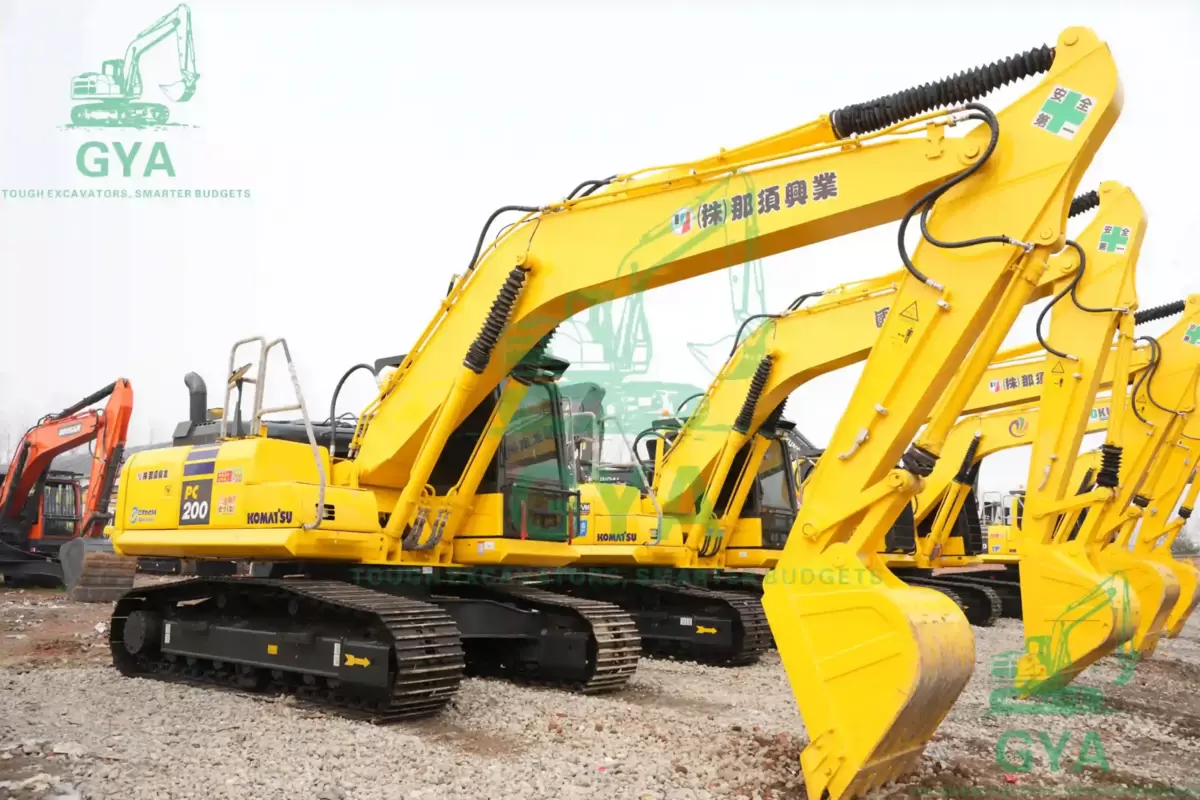
The two listings
| Field | Komatsu PC200-8 | CAT 320D |
|---|---|---|
| Year | 2014 | 2013 |
| Hours meter | 6,000 h | 10,690 h |
| FOB price | $25,000 | $15,000 |
| Class | 20-ton class | 20-ton class |
| Condition grade | Not stated | Grade B |
What the $10,000 buys
The Komatsu is one year newer with 4,690 fewer hours. If both readings hold, that is a real difference in remaining life and resale bracket.
But $10,000 is a lot of repair budget. The CAT could take a full undercarriage, hydraulic work and a major service and still land near the Komatsu's price. Whether that trade works depends on both machines.
Parts and local support
The CAT 320D is one of the most widely supported used excavators in the world; in many markets a local mechanic knows it and aftermarket parts are easy to find.
The PC200-8 also has strong support, but the network differs by country. Ask your workshop which brand it services faster; the cheaper machine is not cheaper if a repair waits weeks.
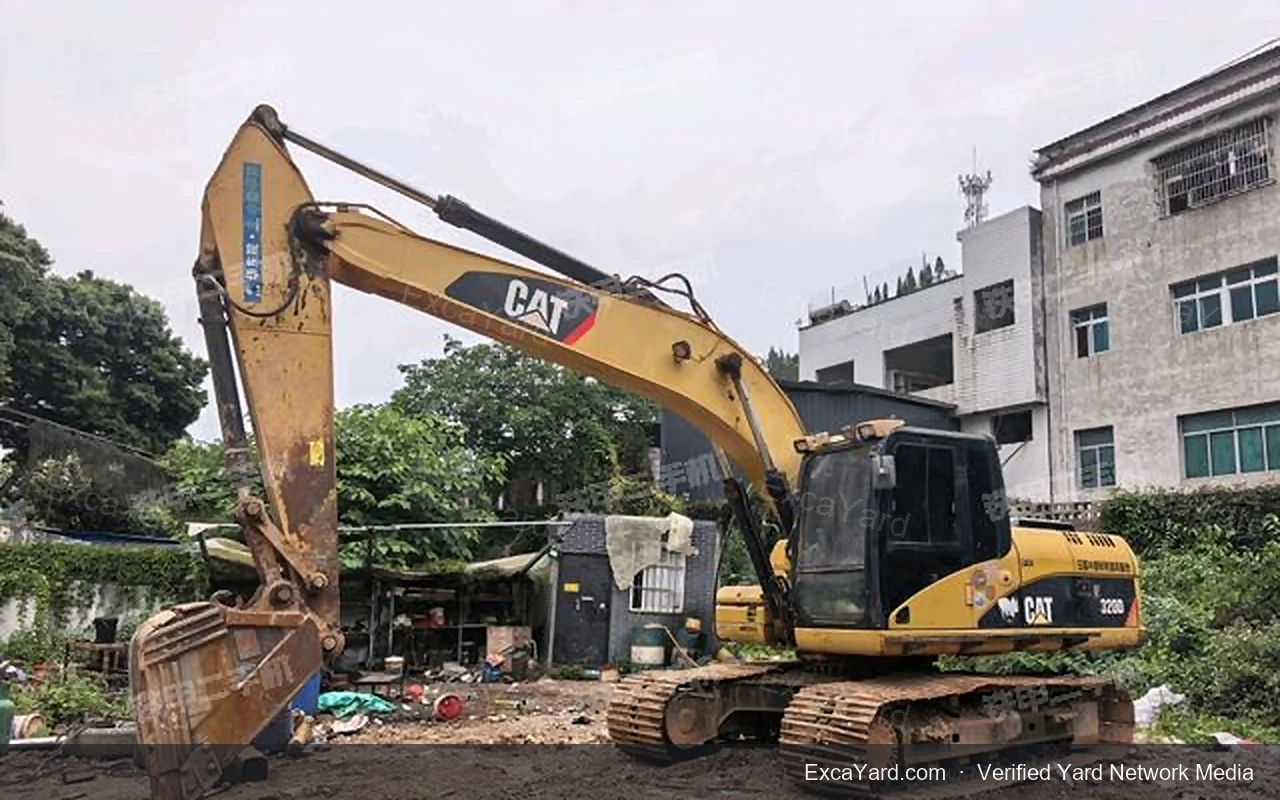
Where the CAT wins
The CAT wins on entry price, parts familiarity and resale recognition. If you need a working 20-ton machine with less capital, the 320D is the easier start, provided undercarriage and hydraulics are sound.
It also wins if you already run CAT machines: shared consumables and mechanic knowledge never show on the spec sheet.
Where the Komatsu wins
The used Komatsu PC200-8 wins on hours, year and remaining life. If the work is steady and you keep the machine for years, the lower-hour unit can cost less per hour, especially if the CAT needs a major repair soon.
Komatsu PC200-8 vs CAT 320D: the inspection tie-breaker
- Cold start and smoke on both.
- Full hydraulic cycle: boom, arm, bucket, swing, travel.
- Undercarriage measurements, not photos.
- Pins and bushes at the bucket, arm and boom.
- Structure: welds, cracks, fresh paint.
- Hour meter, serial plate and service records.
The budget comparison
Add freight, duty, clearing, inland transport and a repair reserve to each price. If the CAT needs $6,000 of work, its real cost is $21,000 before freight. The Komatsu at $25,000 may still be lower risk. Do the math with real quotes.
Cost per job, not cost per hour on paper
Divide the delivered cost by the hours you will bill, not the meter readings. A $23,000 delivered cost over 6,000 working hours is about $3.83 per hour; over 10,000 hours it is $2.30. Utilization moves that number more than the sticker gap.
Then add the parts wait: a pump that takes three weeks to arrive earns nothing while operator and site costs keep running. Ask your workshop for a realistic lead time on undercarriage, hydraulic pump and injectors.
Which buyer each machine fits
The CAT suits a first machine, a rental yard, or a contractor where 320D parts sit on a shelf; the lower price leaves cash for a bucket, hoses and the first repair. The Komatsu suits a fleet replacing a PC200-8, or a buyer who values 4,690 fewer hours over the lowest entry cost.
Check local listings: whichever model sells faster in your market is cheaper to own if you exit in three years.
Remote inspection, and the decision rule
If you cannot travel, control the evidence: one uncut cold-start video per machine, same angles, hour meter and serial plate in frame, then a hydraulic cycle and a gauge measurement of the undercarriage.
| Evidence | What it shows | Walk away if |
|---|---|---|
| Uncut cold start | Compression, glow plugs, smoke | Smoke that clears only after minutes |
| Hydraulic cycle | Pump, valves, seals | Drift, chatter or a hot smell |
| Undercarriage gauge | Remaining wear life | Wear at the end of its range |
Decision rule: price both machines landed, with a repair estimate from your own mechanic. If the CAT's estimate stays under the $10,000 gap, take the CAT. If it crosses, take the Komatsu.
Which one should you choose?
Choose the CAT 320D for the lowest entry price, local parts familiarity and easy repair, if the inspection is clean. Choose the Komatsu PC200-8 for lower hours, a newer year and a longer service life, if the price fits.
If both are clean, the decision is about hours versus capital. If one has a hidden defect, the decision is already made.
Questions buyers ask
Are both units available?
They are listed as in stock in China. Confirm availability before you commit.
Is the used CAT 320D price too low?
It is older with more hours. The price can be normal for year and meter, but the inspection decides.
Can you quote CIF for both?
Yes. Send the destination port and we will quote the loading method and freight for each machine.
Compare the landed cost, not the sticker.
Ask for the cold-start video, undercarriage photos and hydraulic cycle for both units. We will confirm availability and the current FOB price on WhatsApp.
Open the PC200-8 listing · Open the CAT 320D listing · Request an inspection