CAT 320GC vs Komatsu PC200-8: $25,500 or $25,000?
Two machines, both around $25,000, with different answers. The 2019 CAT 320GC has 8,500 hours and Grade B at $25,500 FOB. The 2014 Komatsu PC200-8 has 6,000 hours at $25,000 FOB. The CAT is five years newer; the Komatsu has 2,500 fewer hours.
This CAT 320GC vs Komatsu PC200-8 comparison is a genuine trade-off, not a price anomaly. Which one is better depends on how you value year, hours, electronics and local support.
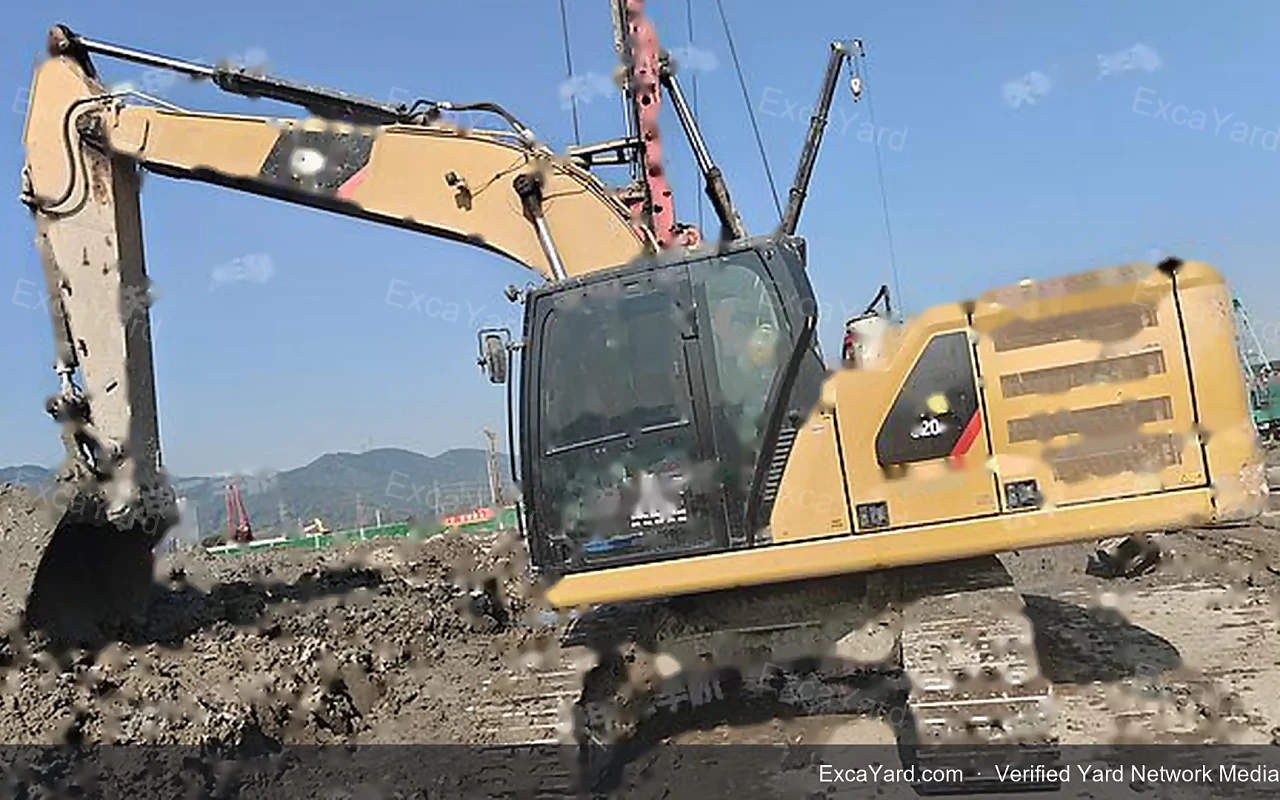
CAT 320GC vs Komatsu PC200-8: the two listings
| Field | CAT 320GC | Komatsu PC200-8 |
|---|---|---|
| Year | 2019 | 2014 |
| Hours | 8,500 h | 6,000 h |
| Grade | Grade B | Not stated |
| FOB | $25,500 | $25,000 |
What the CAT buys
The used CAT 320GC price of $25,500 buys a newer generation with a more modern cab, controls and electronic architecture. Buyers who want a machine that feels current, and who plan to keep it for years, often prefer the newer model. The CAT brand also has strong resale recognition in many markets.
But 8,500 hours is not low. The undercarriage and hydraulic components may be closer to replacement than the Komatsu's, and the repair costs on a newer electronic machine can be higher.
What the Komatsu buys
The used Komatsu PC200-8 gives you 2,500 fewer hours for $500 less. If the wear supports the reading, that is a longer remaining life on the major components. It is a simpler, proven platform with broad parts support.
The trade-off is age and specification. The Komatsu is older and less modern, and the listing has no grade. You are buying on inspection, not on a condition band.
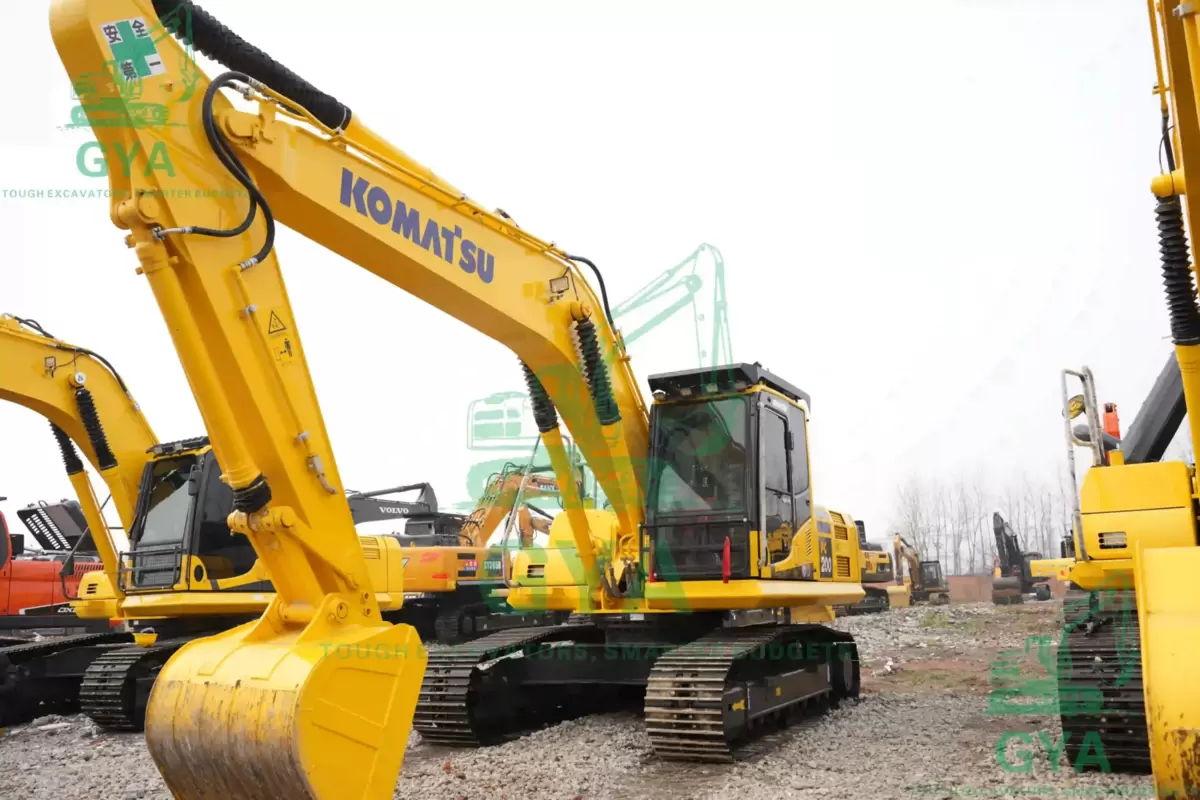
The electronics question
A newer CAT has more electronic control and diagnostics. That can improve fuel efficiency and operator feel, but it also means repairs may need a dealer-level tool. In a market with strong CAT support, that is manageable. In a remote market, it can be a risk.
The Komatsu also has electronics, but the platform is older and more familiar to independent mechanics. Ask your local workshop which machine it can diagnose.
Inspection focus
- Cold start, smoke and fault codes on both.
- Hydraulic cycle and travel.
- Undercarriage measurements, especially on the 8,500-hour CAT.
- Pins, bushings and bucket play.
- Structure and any fresh paint.
- Hour meter and service history.
Cost per job when the meters differ by 2,500 hours
In a 20-ton excavator comparison, the hours gap matters most: at 150 hours a month the 2,500-hour gap is sixteen months of use; at 250, about ten. That head start on major components is worth more or less by utilization. Price per job, not per unit: day rate minus fuel, operator and wear, times the days each machine delivers before a major repair.
Resale: brand depth against model age
The CAT should resell more easily, but the 320GC is the value trim of the 320 line, and some buyers discount it against a standard 320. The PC200-8 is older, with a long production run and broad parts coverage. Check asking prices and how fast examples move; a brand premium you cannot realise is not worth paying.
Who should buy which
The 320GC suits a buyer who wants a current-feeling machine, has CAT diagnostics nearby, and will pay for the cab and controls despite 8,500 hours. Not a remote market without dealer support, or a buyer who cannot absorb an undercarriage bill in year one.
The PC200-8 suits a buyer who wants the lowest mechanical risk per dollar, a simpler platform, and hours left before majors come due. Not a buyer who needs the newest specification.
Neither suits a skipped inspection. The CAT has a grade, the Komatsu does not, which is why the evidence must match.
Inspection differences and a decision rule
The CAT carries Grade B, so ask what it covered and whether the undercarriage was measured or eyeballed. The Komatsu has no grade, so the inspection is the only evidence: demand the same cold-start video, measurements and fault-code readout. Then: undercarriage on the 8,500-hour CAT, the biggest single wear cost on a 20-ton machine; and service history on the Komatsu, where 6,000 hours across a dozen years means idle stretches that develop faults in seals, batteries and fuel.
Decision rule. CAT undercarriage with life left plus local diagnostics: take the CAT. CAT needing tracks or a pump while the Komatsu checks out: take the Komatsu and bank the $500. Komatsu idle a long stretch: price the wake-up repairs first. Both needing majors: wait for another unit.
Which machine fits?
Choose the CAT 320GC if you want the newer machine, modern controls and strong brand support, and you can accept the higher hours. Choose the Komatsu PC200-8 if lower hours, simpler service and a lower-risk mechanical profile matter more.
If both are clean, the choice is about year versus hours. If the CAT needs an undercarriage and the Komatsu does not, the cheaper sticker flips.
Questions buyers ask
Is 8,500 hours high for a 2019 machine?
It is above average for the year. The wear and service history matter more than the number.
Which resells better?
It depends on your market. Check local listings for both models.
Do you quote CIF?
Yes. Tell us the destination port and we will price CIF on either machine.
Same price, different risk. Inspect both.
Ask for the cold-start video, undercarriage photos and hydraulic cycle for both units. We will confirm availability and the current FOB price on WhatsApp.
Open the CAT 320GC listing · Open the PC200-8 listing · Request an inspection