20-Ton Excavator Shipping: Container, Flat Rack or RoRo?
A 20-ton excavator is not a parcel. The loading method changes the freight, the preparation and the risk of damage. The four common options are a container, a flat rack, RoRo and breakbulk. The right one depends on the machine, the route and the port.
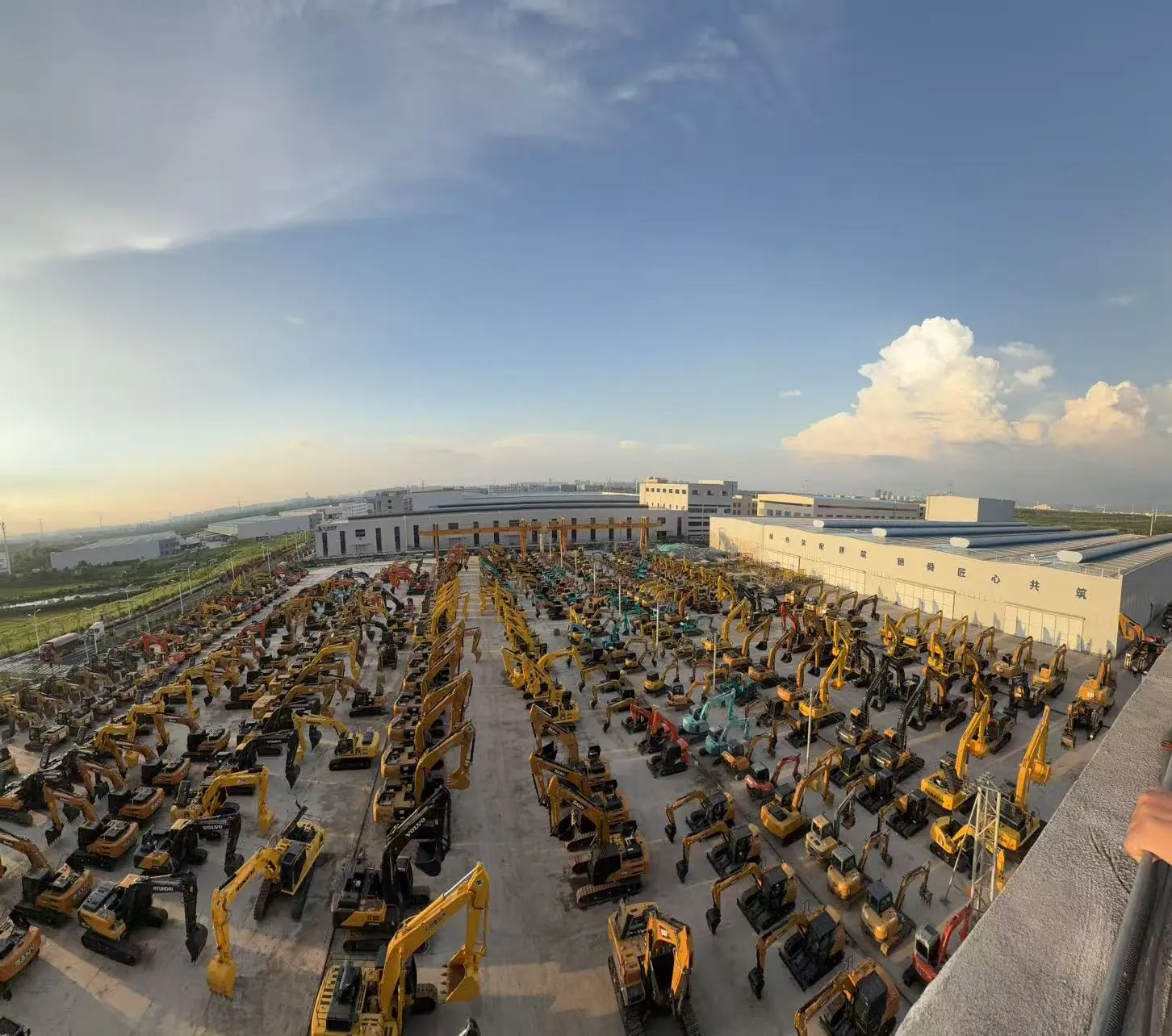
The four options
| Method | Best when | Watch out for |
|---|---|---|
| Container | The machine fits after preparation and the route has container service | Height, width, attachments and securing |
| Flat rack | The machine is too wide or tall for a container, but can be secured on deck | Weather exposure, lifting and lashing |
| RoRo | The port has a RoRo service and the machine can be driven or towed on | Sailing schedule, port equipment and acceptance rules |
| Breakbulk | The unit is unusual, very heavy or needs a crane | Higher handling cost and a longer planning cycle |
What decides the method
For the container vs flat rack excavator choice, start with the dimensions, not the model name. A 20-ton excavator's height and width vary with the boom position, the counterweight, the tracks and any attachment, so the forwarder needs the actual measurements, weight and centre of gravity.
Then check the route. Frequent RoRo sailings can beat a container route with transshipment, and a flat rack may be the only option for a machine too tall for a box.
Container: the tight fit
A container works when the machine fits after removing or folding parts. It keeps the unit dry, but a machine loaded too tight is a damage claim waiting to happen.
Ask for the loading plan and photos inside the container: doors closed, machine lashed down, attachments secured separately.
Flat rack: deck exposure
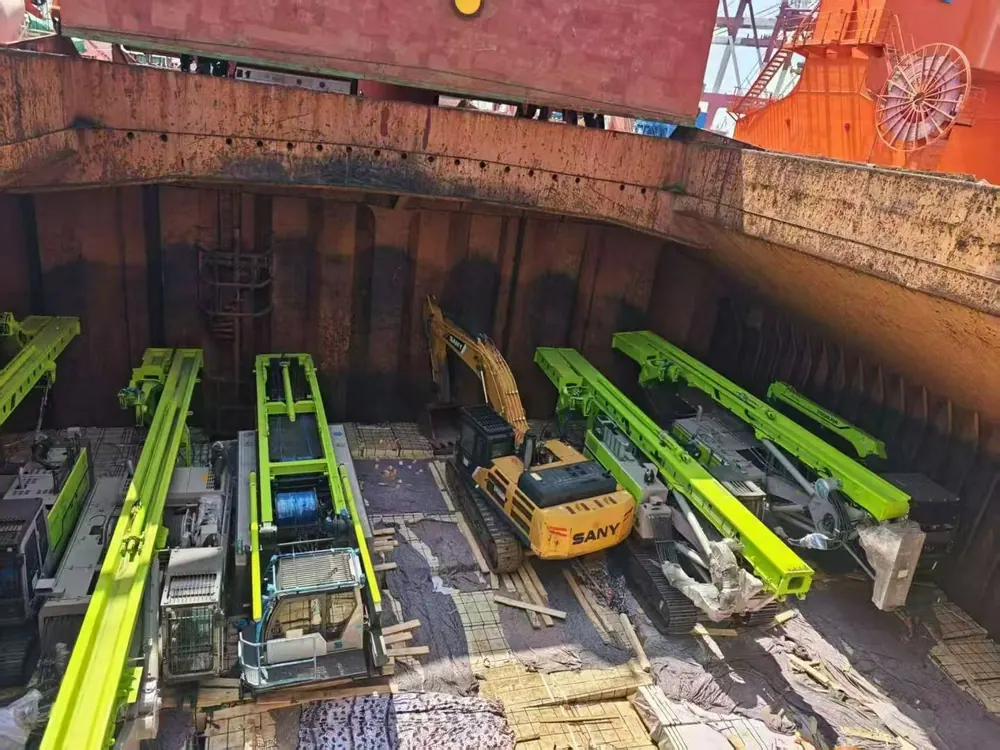
A flat rack is a platform, not a box. The machine is exposed to salt air and weather, and the lashing has to be done properly. It suits a machine too large for a container when the route has flat-rack service.
Ask who provides the lashing, whether tarps are included and how the machine is protected at the terminals.
RoRo: schedule and acceptance
A RoRo excavator shipment is driven or towed onto the vessel. It avoids container packing, but not every port has a RoRo service and sailings may be less frequent.
Ask whether the unit is accepted as self-propelled or must be towed, and what handling equipment and insurance terms apply.
Breakbulk: the heavy-lift option
Breakbulk uses a general-cargo vessel and a crane, and can handle machines that fit neither a container nor a flat rack. It is usually more expensive and needs more planning, but sometimes it is the only route.
20-ton excavator shipping limits, and the port pair behind them
Four measurements decide most plans, and all can be checked before booking.
| Limit | What to verify | What it changes |
|---|---|---|
| Height | Internal height of the container offered; tallest point as prepared | Box or flat rack; boom or cab guard removal |
| Width | Track gauge; any attachment wider than the deck | Flat rack or breakbulk; oversize permit |
| Weight | Operating weight with bucket and blocking | Axle and crane limits at both terminals |
| Ramp | Ground clearance; the RoRo ramp in use | Driven, towed or lifted aboard |
Put the figures in writing against the stock number, and photograph the prepared machine before the doors close. Then ask which port pair the quote uses, and whether the sailing is direct; a RoRo price without a direct call usually hides a second handling bill.
What to ask the forwarder
- Dimensions and weight required for the quote.
- Loading method and the reason for it.
- Port of loading and any transshipment.
- Lashing, tarps and securing included or extra.
- Insurance coverage and exclusions.
- Transit time and destination documents.
What this means for the machine price
A cheaper loading method can also raise the damage risk. Do not choose the lowest quote without checking lashing, insurance and transit; damage costs more than the freight saving.
Cost per job, and the buyer it fits
Freight is paid once; the machine earns for years. Add ocean freight, inland transport, clearing and the first repair, then divide by the hours you expect to run. A $25,000 unit with $3,000 of extras costs about $4.67 per hour over 6,000 hours, before fuel and operator.
Container suits a dealer or rental fleet that wants the unit dry and can wait for a sailing. Flat rack suits a contractor with a wide attachment who would rather tarp and lash than dismantle. RoRo suits a buyer near a RoRo port; breakbulk suits a project that can absorb a heavy-lift booking.
Questions buyers ask
Can a 20-ton excavator fit in a 40ft container?
It can, depending on the machine and preparation. The forwarder needs the actual dimensions.
Is RoRo cheaper than a container?
It depends on the route and schedule. Compare the landed cost, not only the ocean freight.
Who arranges the loading?
The exporter and the forwarder coordinate it. Ask for the loading plan and photos.
Send the destination, get the loading plan.
Tell us the unit and the port, and we will confirm the loading method, the documents and the freight options.
See a 20-ton unit · Shipping and documents · Request a quote